2025年度 PSB Symposium
アジアの擬態花研究の最前線
The Frontiers of Floral Mimicry in Asia
Organizer: Ko Mochizuki (The University of Tokyo)
Interactions with pollinators have driven the remarkable diversity of floral traits of angiosperms. Floral mimicry, where plants attract pollinators by resembling rewarding flowers, decaying fruits or carrion, or even females of specific insects, represents one of the most intriguing phenomena in nature. Such flowers provide an excellent model for understanding communication in interspecific interactions, innovations in reproductive traits, and sensory adaptations. Yet, many aspects remain to be discovered, including the taxonomic diversity of plants with mimicking flowers and their mimetic models, the mechanisms of pollinator attraction, and the genetic basis of these strategies.
In this symposium two researchers from Hong Kong and Thailand and three from Japan will be invited to present cutting-edge studies on floral mimicry. They will highlight novel examples across diverse angiosperm lineages, including Annonaceae, Aristolochiaceae, Orchidaceae, and Apocynaceae, together with recent findings that span from natural history observations to floral chemical attractants and their genetic underpinnings. Through these perspectives, we aim to weave together the emerging currents of study on floral mimicry, focusing on the astonishing and unconventional strategies hidden in Asian plants.
被子植物は送粉者との関わりの中で、多様な花形質を進化させてきました。なかでも、蜜のある花や腐敗した果実・肉片、あるいは特定の昆虫の雌に擬態して送粉者を誘う「擬態花」は、自然界にみられる極めて興味深い現象です。擬態花は、種間相互作用におけるコミュニケーション、繁殖形質の革新や感覚器官における適応を理解する上で格好のモデルとされてきましたが、その分類学的多様性や模倣対象の幅、送粉者誘引の仕組み、遺伝的基盤など、多くの謎が残されています。
本シンポジウムでは、香港・タイから2名、国内から3名の研究者を招き、擬態花研究の最前線を紹介します。バンレイシ科、ウマノスズクサ科、ラン科、キョウチクトウ科など様々なグループの被子植物における、真新しい擬態花の例や、誘引に関わる化学物質、その遺伝的基盤に関する最新の研究成果をお話いただきます。アジアの植物が秘める、常識を覆す新奇な戦略を通じて、花と送粉者の進化的駆け引きの最たる例である擬態花研究の新たな潮流を紡ぎます。
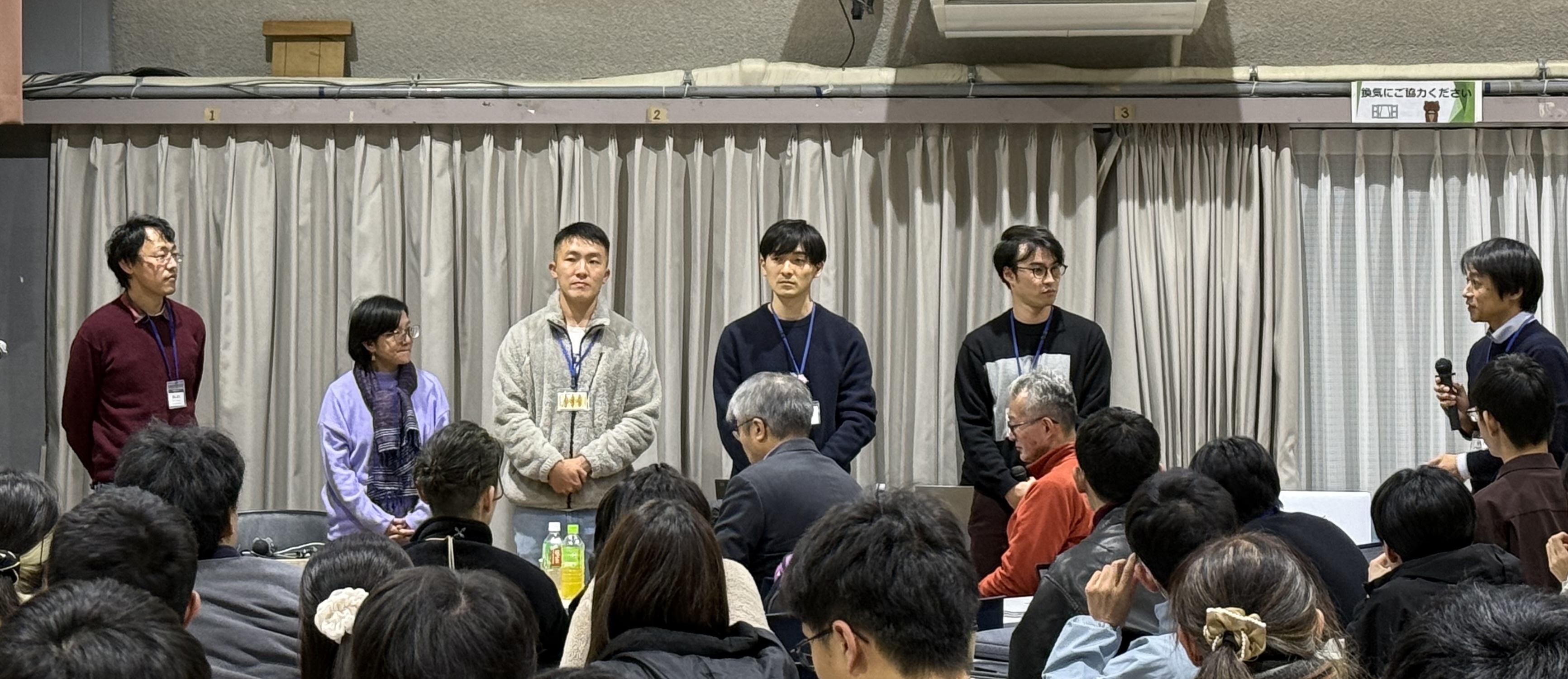
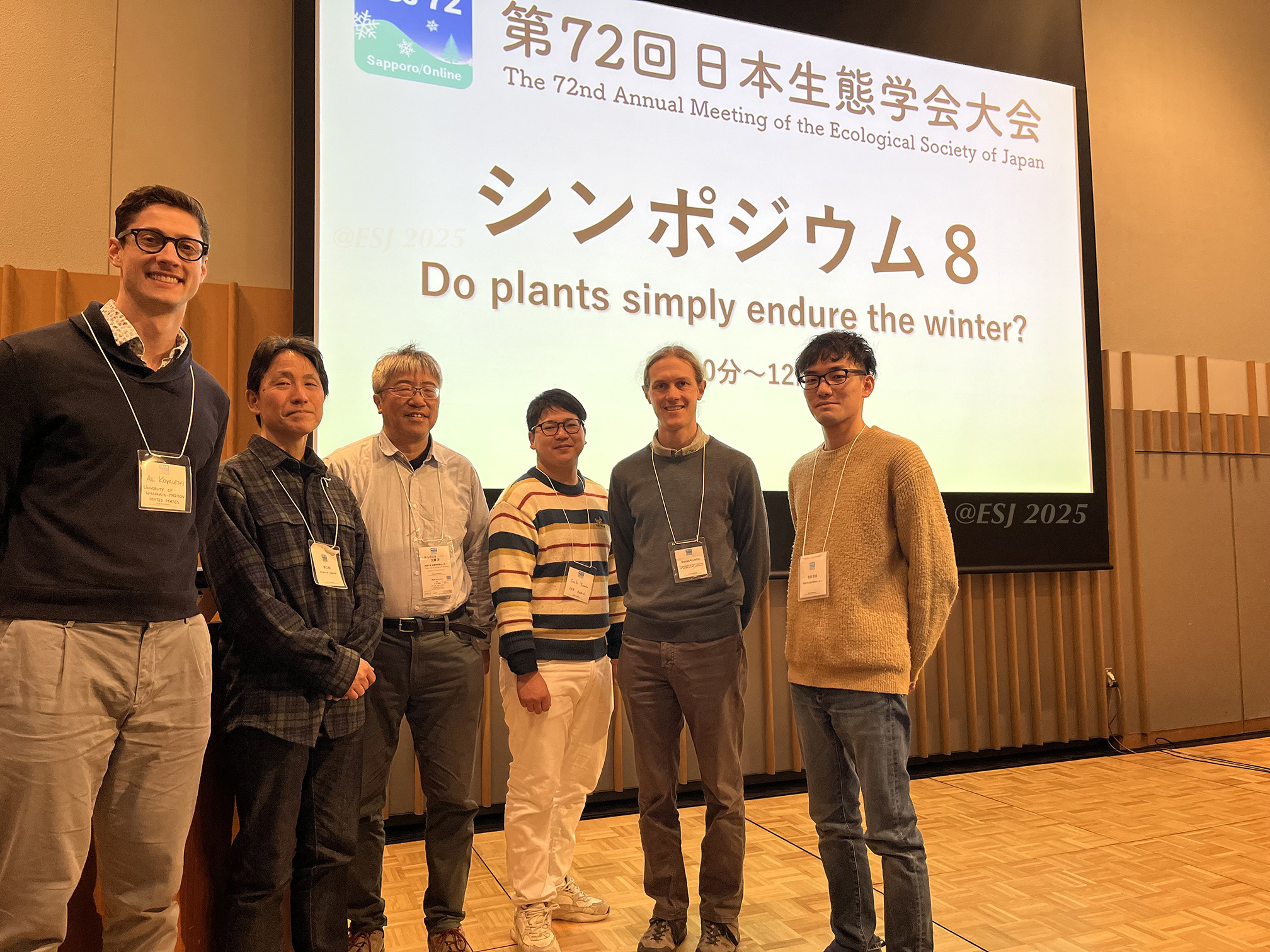
2024年度 PSB Symposium
冬の植物生態学:春の訪れまで、植物はただ耐えるだけなのか?
Before the arrival of spring: do plants simply endure the winter?
Organizer: Naofumi YOSHIDA and Genki YUMOTO (Kyoto Univ. Center for Ecological Research)
Low temperature generally inhibits development and/or growth of plants. Thus, winter appears to be a period that
most plants endure and wait patiently until spring comes. However, besides predicting the arrival of spring, plants also engage in various activities during the winter. For example, plants induce the flowering process by sensing the prolonged winter cold (vernalization). Evergreen species can adjust the foliar photosynthetic property to chilling temperature and induce stress tolerance for maintaining their productive organs during winter. Moreover, plants also prepare for reproduction by suppressing leaf senescence and using them as storage organs. This symposium will focus on plant seasonality and responses to low temperatures. We will invite speakers who conduct research from different themes and perspectives, and discuss the dynamic ecology of plants in winter.
Commentator: Hiroshi Kudoh (Center for Ecological
Research, Kyoto University)